
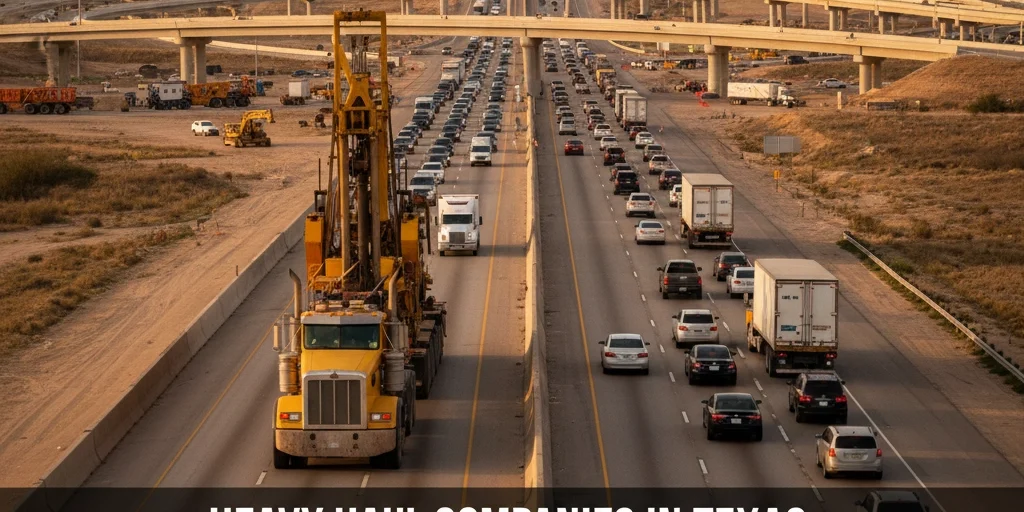
Texas is getting a massive infrastructure upgrade. With $146 billion flowing into highway expansion projects across the state, you'd think moving your construction equipment and oversized loads would get easier. But here's the reality check: bigger highways won't solve your biggest heavy haul headaches.
If you're in construction, manufacturing, or any industry that moves heavy equipment, you know the frustration. You need your excavator in Houston tomorrow, but you're stuck dealing with permit delays, route restrictions, and regulations that seem to change by the county. More lanes won't fix that.
The Real Problem Isn't Highway Capacity
Sure, Texas highways get congested. But when you're moving a 200,000-pound crane or an oversized industrial component, traffic isn't your biggest enemy. The real challenges run much deeper than what wider roads can solve.
Permitting Complexity Never Goes Away
Every oversized load requires permits. Multiple permits. And those permits don't care how many lanes your route has. You're still dealing with:
- State-level oversize/overweight permits
- Local municipality requirements
- Utility company clearances
- Bridge analysis reports
- Escort vehicle coordination
Even on brand-new, six-lane highways, you'll hit the same permit wall. That excavator still needs approval to cross certain bridges, regardless of how recently they were built.

Local Regulations Create Chokepoints
Texas has 254 counties, and each one has its own rules about heavy haul transport. Some restrict movement during school hours. Others ban oversized loads on weekends. A few require specific escort configurations that differ from state requirements.
Highway expansion doesn't change local politics. If anything, some communities become more protective of their new infrastructure, creating additional restrictions on heavy equipment transport.
Why Infrastructure Investment Misses the Mark
The $146 billion highway expansion focuses on general traffic flow and standard vehicle capacity. But heavy haul transport operates in a completely different world with unique constraints that standard infrastructure planning doesn't address.
Height Restrictions Stay Put
Your new trailer carrying a piece of mining equipment is 14 feet tall. That new highway might have standard 16-foot clearances, but you still can't take the most direct route because of:
- Older overpasses that weren't rebuilt
- Utility lines that cross the highway
- Railroad bridges with fixed clearances
- Toll booths with height limitations
Route planning becomes a puzzle of finding paths that accommodate your specific load dimensions, not just finding the newest roads.
Weight Distribution Requirements Don't Change
Heavy haul isn't just about total weight: it's about how that weight hits the pavement. A 150,000-pound load might be legal on one bridge configuration but require detours around structures that can't handle the axle spacing.
New highway construction typically follows standard weight guidelines for regular commercial traffic. Your specialized equipment still faces the same engineering limitations on bridge crossings and pavement loading.

The Hidden Challenges That Persist
Time-Sensitive Permit Windows
Construction projects don't wait. When your concrete mixer or steel beam delivery gets delayed because of permit processing, the entire job timeline shifts. Highway capacity won't speed up government approval processes or coordinate between multiple agencies.
Many Texas jurisdictions restrict oversized load movement to specific hours: often during off-peak times when your crew isn't working. Having more lanes available during restricted hours doesn't help when you can't legally use them.
Specialized Equipment Requirements
Heavy haul transport isn't just about having a big truck. Different loads require:
- Specific trailer configurations (lowboy, double-drop, modular)
- Precise tie-down and securement methods
- Load distribution planning
- Escort vehicle coordination
- Pilot car requirements
The expertise and equipment needed for these specialized moves doesn't become less important just because the highway system improves.
Weather and Seasonal Restrictions
Texas weather creates its own challenges. High winds can shut down tall load movement regardless of how many lanes are available. Seasonal weight restrictions during freeze-thaw cycles affect certain routes no matter how new the pavement is.

What Actually Solves Heavy Haul Problems
While highway expansion tackles general transportation issues, heavy haul challenges require specialized solutions that experienced companies like Ox Heavy Haul provide.
Expert Route Planning and Permit Management
Professional heavy haul companies navigate the permit maze daily. They know which routes work for specific load types and maintain relationships with permitting agencies across Texas. This expertise becomes more valuable as infrastructure complexity increases, not less.
At Ox Heavy Haul, we handle permit coordination across all Texas jurisdictions, ensuring your equipment moves legally and efficiently regardless of local restrictions.
Specialized Equipment and Load Engineering
The right trailer configuration and load securement can make the difference between a successful move and a costly delay. Heavy haul specialists maintain fleets designed for specific equipment types and load characteristics.
Real-Time Problem Solving
When unexpected issues arise: bridge closures, utility conflicts, last-minute route changes: experienced heavy haul operators adapt quickly. They have backup routes planned and alternative equipment ready.
Industry-Specific Challenges That Highway Expansion Can't Address
Construction Equipment Transport
Construction sites often have limited access, tight deadlines, and coordination requirements with other trades. Getting your excavator to a downtown Houston job site involves more than highway capacity: it requires understanding urban delivery restrictions, crane coordination, and site logistics.
Oil and Gas Equipment Movement
Texas energy infrastructure requires specialized transport for pipeline components, drilling equipment, and refinery modules. These moves often involve rural routes, temporary road improvements, and coordination with energy companies that operate independently of highway expansion schedules.

Manufacturing and Industrial Components
Large manufacturing equipment and industrial components require precise scheduling, climate-controlled transport in some cases, and coordination with facility installation teams. Highway improvements don't address the specialized handling these loads require.
Why Experience Matters More Than Infrastructure
Heavy haul success depends on knowledge that comes from years of moving specialized equipment. Understanding which permits are required for specific load types, knowing alternate routes when primary paths have restrictions, and maintaining relationships with regulatory agencies matter more than having access to expanded highways.
Local Knowledge Saves Time and Money
Experienced operators know that the newest highway might not be the best route for your specific load. Local knowledge about bridge weight limits, utility clearances, and municipal restrictions prevents costly delays and route changes.
Coordination Capabilities
Professional heavy haul companies coordinate with multiple parties: permitting agencies, escort services, utility companies, law enforcement, and facility operators. This coordination capability doesn't improve just because highways get wider.
The Bottom Line for Texas Heavy Haul
Highway expansion is great for general transportation, but it won't solve the core challenges of moving heavy and oversized equipment. The expertise, specialized equipment, and regulatory navigation that professional heavy haul companies provide becomes more important as infrastructure complexity increases.

If you need construction equipment, industrial machinery, or oversized components moved in Texas, you need a partner who understands the real challenges. Highway capacity is just one piece of the puzzle.
For reliable heavy haul transport that addresses the actual problems you face, contact Ox Heavy Haul. We handle the permits, plan the routes, and move your equipment safely and legally across Texas.
Our services are designed to solve the challenges that infrastructure investment can't address. Because when your equipment needs to move, you need expertise that goes beyond having more lanes available.
